Five reasons to choose OptiLumo luminaires for professional kitchens

Good lighting is of paramount importance to kitchen staff, as it directly impacts occupational safety, work efficiency, and well-being. Adequate and correctly directed lighting reduces the risk of occupational accidents, such as those associated with knife handling and working with hot surfaces. When the light is evenly distributed over the workstation, and there is no glare, even a long working day does not strain the eyes. OptiLumo luminaires for hoods and ventilation ceilings are perfect for professional kitchens and offer particularly suitable lighting for kitchens and the ideal color temperature for cooking.

Here are five reasons why you should invest in lighting and choose OptiLumo:

1. Top-notch lighting performance

OptiLumo guarantees high light output and an excellent color rendering index of 95 CRI, which improves working conditions and ensures natural color rendering.

2. Intelligently Directed Light

The special lens solution for the lights directs the light precisely where needed, ensuring glare-free and efficient lightning.

3. Reliable and durable

The IP56 construction is resistant to moisture, steam, and grease, which makes OptiLumo an ideal choice for professional kitchens and other demanding spaces.

4. Fully adjustable power

DALI and SwitchDIM features are standard on the luminaires, allowing you to adjust the light from 0% to 100% to suit your needs.

5. Accurate design and simulation

OptiLumo can be simulated with the DiaLUX software and meets the industry’s key standards (EN 12464-1:2001, EN 12464-2:2014, EN 15193:2008, DIN V 18599:2007, CIE 97:2005, CIE 154:2003), which ensures the optimal lighting solution for each site.


The luminaires of the hoods and ventilation ceilings have been simulated with the DiaLux software

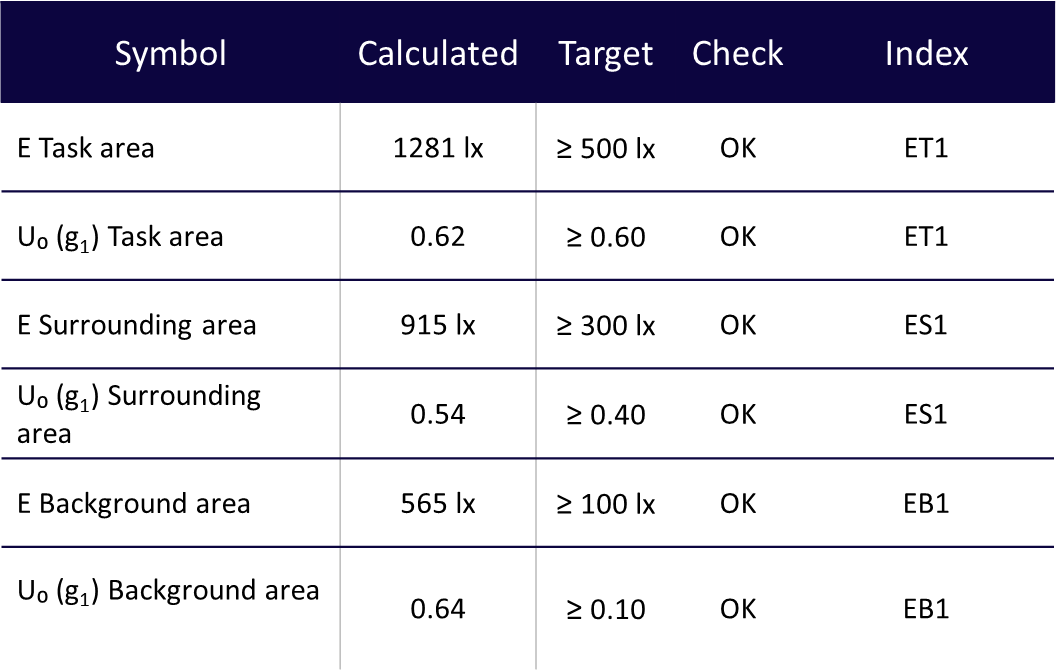
The following figure shows the simulation result when using a two-meter-long hood with an Optilumo luminaire and at 100% power in a 15 m x 15 m sized kitchen. The simulation also considers the periphery of the workstation and the surrounding space. The simulation shows that the requirements of the EN 12646 standard are met excellently. The average illuminance of the area is 1025 lux. The standard requirement is 500 lux in the working area in professional kitchens.
 

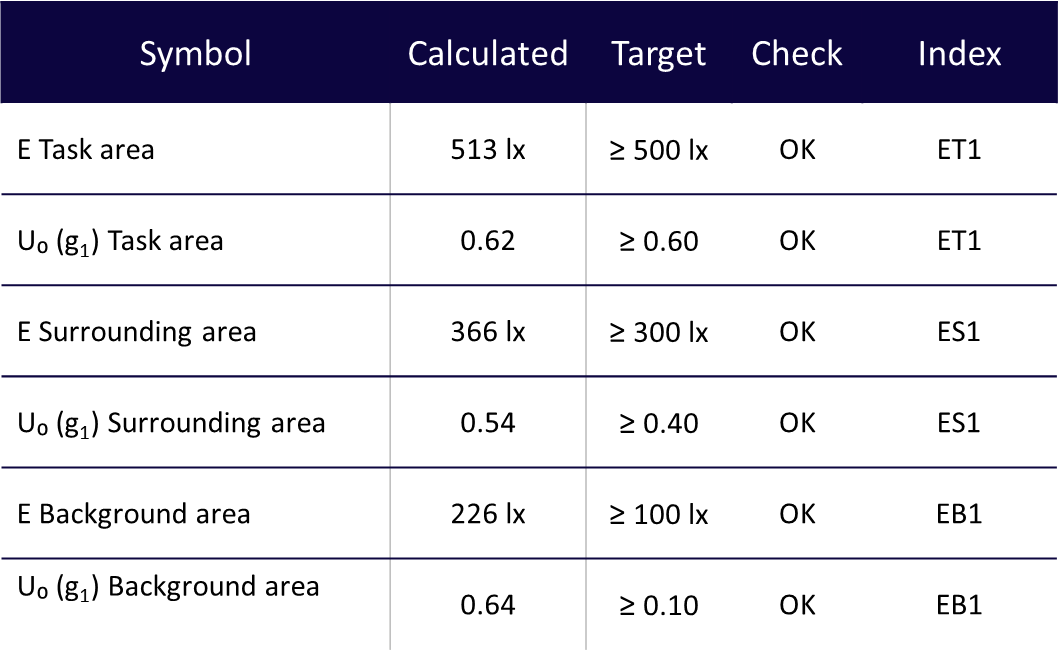
All Optilums have DALI/SwitchDIM function as standard. In other words, the lighting power can be adjusted continuously. The following figure shows the simulation result when the lights are dimmed to 40%, which is the lowest level that still meets the 500 lx requirement of the standard.


OptiLumo luminaires for professional kitchens
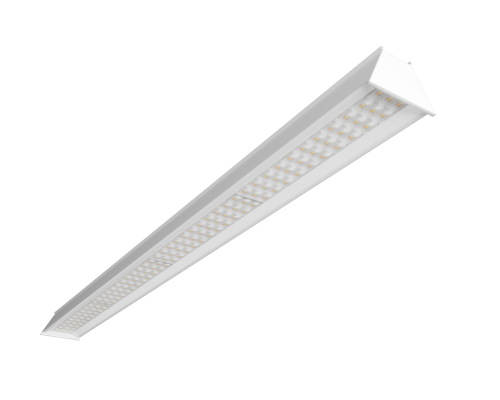
  • 10-year warranty
  • IP65 Grade Tightness
  • Key Flag Product
  • For hoods and ventilation ceilings
  • Sized according to the size of the hood

Contact Climecon’s professional kitchen design service

News

Data‑driven energy savings and excellent indoor air quality in one solution

OptiDemand’s demand‑controlled DCKV solutions have been widely installed in professional kitchens across Finland, and the results have been excellent, also from the perspective of measured data. We have become the clear market leader in supplying DCKV systems in Finland. Demand‑controlled ventilation saves energy while ensuring the best possible air quality in the kitchen—without compromises.

Read more

Viivi Moisio – an incredible sailing adventure we are proud to support

Viivi Moisio is one of Finland’s most exciting sailors, and we’re absolutely thrilled to be part of her journey. Earlier this year, Viivi reached an amazing milestone: she built her own boat from scratch and completed it just in time for the Helsinki Boat Show, which wrapped up in mid‑February. The project has highlighted Viivi’s perseverance, skill, and courage — values we are proud to stand behind.

Read more

Get to know: Product Development Engineer Eero Kahilaniemi

This time in our Climecon team spotlight, we’re heading to our factory in Kausala. Eero is originally from near Tampere, about 180 km north-west of the capital city Helsinki, and his studies eventually led him to Kausala. Trained as an engineer in wood technology, Eero made the transition from wood to steel when he joined Climecon as a test engineer. Today, he works as a product development engineer, with his role having expanded from testing to product development projects and product design—particularly in the area of air terminal devices.

Read more