Demand for environmental product declarations is growing
Builders and property owners are increasingly looking for competitive advantage and distinctiveness with environmental certifications. The international LEED and BREEAM require a reliable life cycle assessment of the environmental effects of a building. The overall effects also include the use of MEP solutions.
“The solutions used in professional kitchens notably add to the total calculated effects of a site. Moreover, in multi-million-dollar sites and among global operators, the environmental effects are far from a nice-to-have feature, but a strategic choice for gaining significant business advantage,” says Ville Wallendahr, director of professional kitchen solutions at Climecon.
In addition, the EU taxonomy will cover the evaluation of the climate impacts of buildings throughout their life cycles. “We already witness growing demand for life-cycle calculated ventilation solutions and it will certainly increase even more in the future,” states Wallendahr.
Reliable information about hoods’ carbon footprint and environmental impact
There is a wide consensus over the reliability and applicability of EPDs stated by the Building Information Foundation since the principles are based on international standards in the construction industry EN 15804:2012 + A2:2019. The environmental product declarations cover the products’ carbon footprints along with an extensive list of environmental impacts throughout their entire life cycle.
The mandatory third-party verification adds to the reliability. Among other things, this ensures that common principles have been followed in the calculation, the results are correct, and the reporting is consistent. Ramboll Suomi was the verifier in Climecon’s environmental product declaration process. The calculation and analysis were carried out in cooperation with Granlund Oy.
“It’s good to note that just any life cycle assessment is no longer enough for customers. The operators who have done their homework demand quality LCAs. It usually comes as a pleasant surprise to them that we have chosen the life cycle calculation of the Building Information Foundation,” emphasizes Wallendahr.
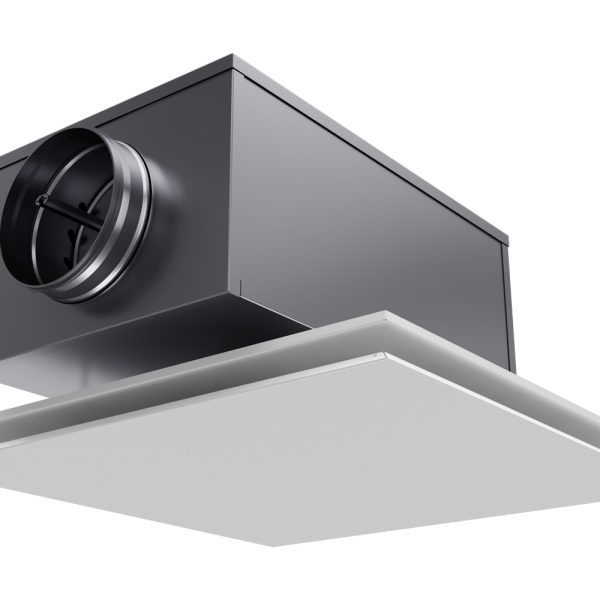
Climecon offers EPD-verified hoods and Air terminal devices. Browse our solutions here