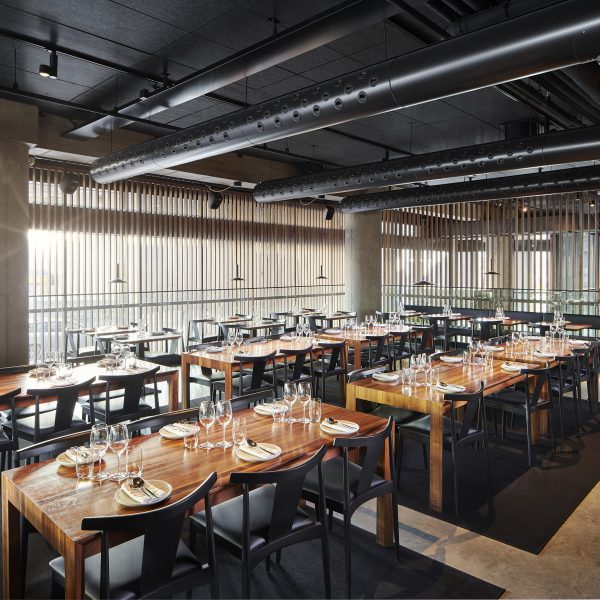
Manage life cycle costs effectively – energy-saving smart ventilation

The costs of a construction project do not end when the building site is completed. The real expenses accumulate over the entire lifecycle of the building: from energy use, maintenance, and the lifespan of the systems. When new systems are put out to tender, the purchase price alone does not reveal the total cost of the investment. The Life Cycle Costs show which solution is truly sensible both economically and environmentally. When solutions are designed to be long-lasting and energy-efficient, the building consumes less energy, emissions decrease, and indoor air quality remains high year after year.

Ventilation is one of the biggest energy consumers in a building, yet it offers enormous savings potential. Investing in high-quality, demand-controlled products already in the design phase can reduce energy consumption by 20–40%. When ventilation operates only when needed and at the required output, unnecessary expenses are avoided. High-quality products also reduce maintenance needs and extend system lifespan: clean indoor air, correct airflow rates, and well-designed solutions keep the system in good condition without extra adjustments.

Demand-controlled ventilation (DCKV, Demand Controlled Kitchen Ventilation) is one of the most effective ways to manage lifecycle costs in commercial kitchens. The system automatically adapts to actual use of the spaces based on, for example, occupancy, carbon dioxide levels, temperature, or humidity. When complemented with remote management, deviations can be addressed quickly and maintenance handled proactively, which directly lowers operating costs.

Demand-controlled ventilation is therefore not just a means of saving energy. It is a smart, long-term investment that optimizes costs and keeps the building functioning for years to come. A correctly dimensioned, intelligently controlled system made from high-quality components pays for itself and does so with style.

Get to know OptiDemand solution

News

Get to know: Esa Huuskonen, Director of Selection Programs

Over the course of 17 years, Esa Huuskonen has built up strong and diverse experience from within the company. He has been involved in nearly every aspect of ventilation design and product development – from leading projects and software development to improving product energy efficiency and performance. Alongside these responsibilities, he has taken on an important role in managing product data within design programs and key systems, where the accuracy and up-to-date nature of technical information are essential.

Read more

We have published our 2025 Sustainability Report

Climecon has published its 2025 Sustainability Report, providing an overview of the company’s key achievements and development initiatives in environmental responsibility, social responsibility, and good governance. During the year, we made significant progress in our climate work.

Read more

More performance without compromise – The advantages of nozzle ducts in HVAC design

Nozzle ducts have established themselves in ventilation design as a solution that combines efficiency, occupant comfort, and an appearance appreciated by architects. From an HVAC designer’s perspective, their key strength lies in their ability to simultaneously solve several air distribution challenges: handling large air volumes, draught-free ventilation, low noise levels, and space-efficient implementation.

Read more