Sustainability and Energy Efficiency: An Opportunity for HVAC Contractors to Succeed

For example in Finland, the construction sector plays a key role in achieving climate goals. Buildings account for nearly 40% of total energy consumption, and the built environment generates about one-third of carbon dioxide emissions. The ventilation and heating systems designed and installed by contractors define a building’s energy efficiency and indoor climate for decades. Especially in ventilation, correct system sizing, airflow control, and optimization have a major impact on both comfort in living and working environments and on energy use.

Legislation drives change – contractors succeed: energy efficiency and responsibility in practice

New laws, regulations, and the EU’s Energy Performance of Buildings Directive (EPBD) are increasing the pressure to pay closer attention to energy efficiency and carbon footprint in many countries. This means contractors are expected to engage more actively in the design phase and propose low-carbon solutions from the start. At the same time, it creates opportunities: contractors can differentiate themselves with expert input, build long-term customer relationships, and strengthen their reputation as responsible partners. Energy-efficient systems also reduce buildings’ lifecycle costs, reinforcing the contractor’s position as a reliable collaborator.

Contractors advance sustainability with responsible solutions

Providing energy-efficient solutions, extending equipment lifespans, and utilizing recycled materials support the circular economy. Optimizing ventilation through smart control systems and continuous indoor air monitoring ensures a healthy indoor climate while keeping energy use in check.

The conclusion is clear: sustainability is no longer just added value – it is part of a contractor’s professional expertise and competitiveness. Those who embrace this opportunity will not only advance sustainable development but also strengthen their market position.
News

Importance of accurate adjustment in air terminal devices

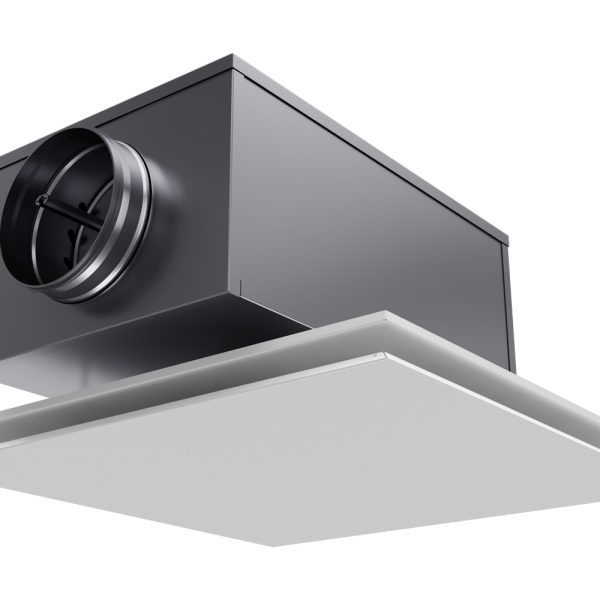
Unbalanced ventilation system is not energy efficient and often leads to indoor air problems. When the devices and the airflow rates are dimensioned correctly, just the right amount of air goes to the right place – not too little nor too much. In this way, the entire ventilation system works as planned. A properly adjusted ventilation system is energy efficient, air distribution is controlled, even and quiet.

Read more

Climecon Receives Silver in EcoVadis Assessment – ​​Determined Sustainability Work Pays Off

Climecon participated in its first EcoVadis sustainability assessment last year and achieved a bronze medal. Now, just a year later, our company’s sustainability work has received significant recognition: Climecon has risen to the silver level. This year, Climecon’s score increased from 62 to 71 out of a possible 100 points.

Read more

Sustainability and Energy Efficiency: An Opportunity for HVAC Contractors to Succeed

For example in Finland, the construction sector plays a key role in achieving climate goals. Buildings account for nearly 40% of total energy consumption, and the built environment generates about one-third of carbon dioxide emissions. The ventilation and heating systems designed and installed by contractors define a building’s energy efficiency and indoor climate for decades. Especially in ventilation, correct system sizing, airflow control, and optimization have a major impact on both comfort in living and working environments and on energy use.

Read more