Sustainability and Energy Efficiency: An Opportunity for HVAC Contractors to Succeed

For example in Finland, the construction sector plays a key role in achieving climate goals. Buildings account for nearly 40% of total energy consumption, and the built environment generates about one-third of carbon dioxide emissions. The ventilation and heating systems designed and installed by contractors define a building’s energy efficiency and indoor climate for decades. Especially in ventilation, correct system sizing, airflow control, and optimization have a major impact on both comfort in living and working environments and on energy use.

Legislation drives change – contractors succeed: energy efficiency and responsibility in practice

New laws, regulations, and the EU’s Energy Performance of Buildings Directive (EPBD) are increasing the pressure to pay closer attention to energy efficiency and carbon footprint in many countries. This means contractors are expected to engage more actively in the design phase and propose low-carbon solutions from the start. At the same time, it creates opportunities: contractors can differentiate themselves with expert input, build long-term customer relationships, and strengthen their reputation as responsible partners. Energy-efficient systems also reduce buildings’ lifecycle costs, reinforcing the contractor’s position as a reliable collaborator.

Contractors advance sustainability with responsible solutions

Providing energy-efficient solutions, extending equipment lifespans, and utilizing recycled materials support the circular economy. Optimizing ventilation through smart control systems and continuous indoor air monitoring ensures a healthy indoor climate while keeping energy use in check.

The conclusion is clear: sustainability is no longer just added value – it is part of a contractor’s professional expertise and competitiveness. Those who embrace this opportunity will not only advance sustainable development but also strengthen their market position.
News

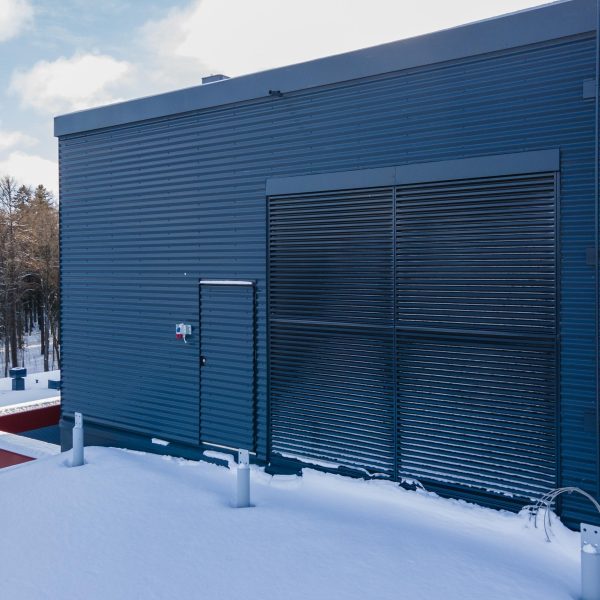
Snow separation and ventilation reliability: why air intake face velocity matters?

The snow separation performance of TUISKU snow and rain louvres was tested at an accredited Eurofins laboratory under simulated winter conditions. Different snow types, wind speeds and airflow conditions were used to assess performance in realistic operating environments.

Read more

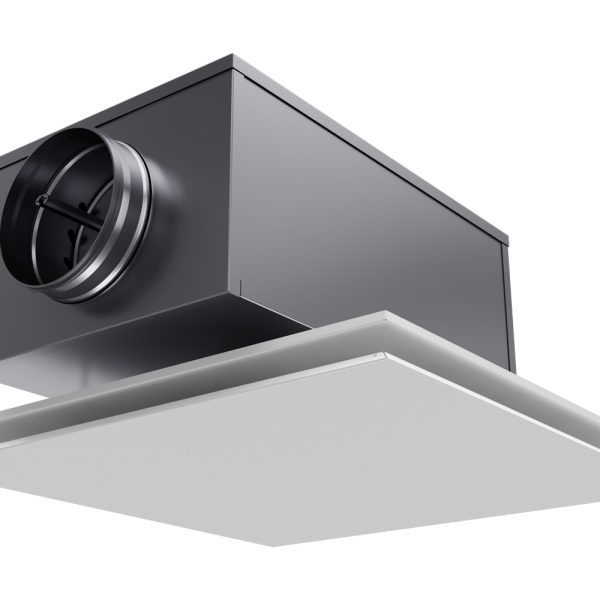
A measurement and balancing professional explains: 3 reasons to choose the FLO plenum box

In ventilation measurement and balancing, products need to work accurately and be easy to use. Adjustments should be straightforward, measurements reliable, and products suitable for different site conditions. Juho Hesso of LVI Oy Hesso Group has ten years of experience in measurement and balancing. He knows what professionals need from a product. What he particularly appreciates about the FLO plenum box is its practical, user-focused design. When a product works as it should and is easy to use, work on site runs more smoothly and efficiently.

Read more

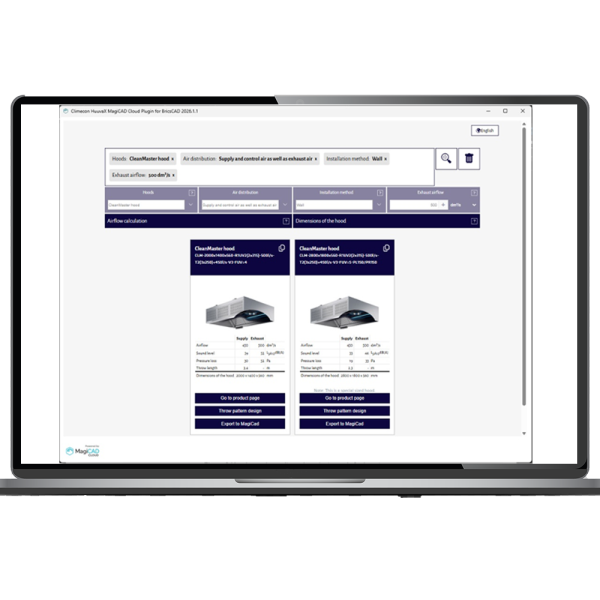
Boost efficiency in BricsCAD: new plugin integrates Tuisku.X and Huuva.X directly into the MagiCAD design environment

Climecon has launched a new BricsCAD plugin that integrates the Tuisku.X and Huuva.X selection tools directly into the MagiCAD design environment. HVAC designers often work across multiple systems and transfer data between different software applications. With the new plugin, designers can complete product selection, data management, and modeling within a single environment, reducing manual work and improving design efficiency.

Read more